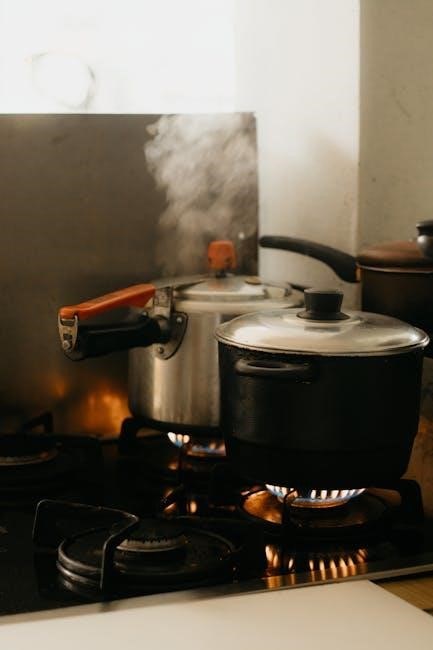
Welcome! This guide unlocks the potential of your T-Fal electric pressure cooker, sourced from Manualzilla and ManualsOnline resources.
Discover efficient cooking with detailed instructions and support, ensuring delicious meals every time.
What is a T-Fal Pressure Cooker?
T-Fal pressure cookers, as detailed in resources like Manualzilla and ManualsOnline, are versatile kitchen appliances designed to significantly reduce cooking times. Utilizing sealed, pressurized environments, they cook food faster and more efficiently than conventional methods. These electric models offer pre-programmed settings for various dishes, simplifying meal preparation.
They aren’t just for speed; pressure cooking also enhances flavors and retains more nutrients within the food. Manuals highlight their user-friendly designs, making them accessible for both novice and experienced cooks. Explore a world of culinary possibilities with your T-Fal cooker!
Benefits of Using a Pressure Cooker
Pressure cooking with your T-Fal, as documented in manuals from Manualzilla and ManualsOnline, offers numerous advantages. Primarily, it dramatically reduces cooking time – meals are prepared in a fraction of the usual duration. This efficiency also translates to energy savings, lowering your kitchen’s energy consumption.
Furthermore, pressure cookers excel at preserving vital nutrients and intensifying flavors. They’re ideal for tough cuts of meat, transforming them into tender, flavorful dishes. Explore simplified, healthier cooking with this convenient appliance, supported by readily available online resources.
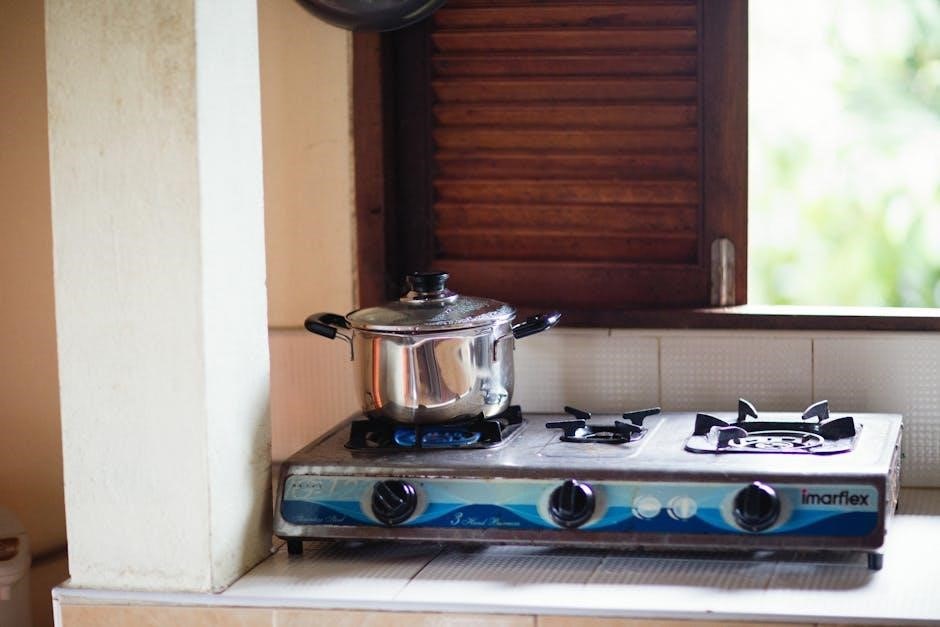
Understanding the Components
Familiarize yourself with your T-Fal pressure cooker’s parts, referencing Manualzilla and ManualsOnline. Key elements include the lid, sealing ring, inner pot, and control panel.
Pressure Cooker Lid & Sealing Ring
The lid is crucial for building and maintaining pressure, ensuring safe and efficient cooking. Always inspect the sealing ring before each use, sourced from resources like Manualzilla, for cracks or damage.
A properly seated sealing ring is vital for a tight seal; ensure it’s clean and correctly positioned within the lid groove. Refer to your T-Fal manual (available via ManualsOnline) for specific ring placement instructions.
Regularly check the steam release valve and float valve on the lid to confirm they are clear of obstructions. Proper lid function, detailed in online communities, guarantees safe pressure cooking.
Inner Pot – Materials and Care
Your T-Fal pressure cooker’s inner pot is typically made of stainless steel or a non-stick coated material, as detailed in manuals from ManualsOnline. Stainless steel offers durability, while non-stick simplifies cleaning.
Avoid abrasive cleaners or scouring pads, which can damage the surface, especially non-stick coatings. Hand washing is generally recommended, though some stainless steel pots are dishwasher safe – check your T-Fal manual.
Proper care, informed by Manualzilla resources, extends the pot’s lifespan and prevents food from sticking. Inspect for scratches or warping before each use.
Control Panel & Settings Explained
The T-Fal pressure cooker’s control panel, as outlined in available manuals from ManualsOnline and Manualzilla, features buttons for various cooking programs – Soup, Meat/Poultry, Bean/Chili, and more. A “Manual” setting allows custom time and pressure adjustments.
Understand the “Start” and “Cancel” buttons, alongside pressure level selection (High/Low). The digital display shows cooking time and status. Refer to your specific model’s manual for detailed explanations of each function and setting, ensuring optimal performance.

Getting Started: First-Time Use
Initial setup is key! Before cooking, familiarize yourself with the cooker, referencing Manualzilla and ManualsOnline resources for a smooth start.
Initial Cleaning and Preparation
Thorough cleaning is essential before your first use. Carefully unpack your T-Fal pressure cooker and remove all packaging materials. Wash the inner pot, lid, and sealing ring with warm, soapy water. Rinse completely and dry thoroughly.
Inspect the steam release valve and float valve, ensuring they are clear of any obstructions. A preliminary water test, guided by resources like Manualzilla and ManualsOnline, confirms proper sealing. This initial preparation, detailed in available manuals, guarantees safe and effective operation, setting the stage for delicious, pressure-cooked meals.
Water Test – Ensuring Proper Function
Perform a water test to verify your T-Fal pressure cooker seals correctly. Add two cups of water to the inner pot and close the lid, ensuring it’s properly locked. Select the ‘Pressure Cook’ function on the control panel, setting it for 5 minutes on high pressure.
Allow the cooker to come to pressure; the float valve will rise. After the cycle, let it release pressure naturally. If the float valve remains down, the seal is successful. Consult Manualzilla or ManualsOnline for detailed guidance and troubleshooting if issues arise during this crucial function check.

Cooking with Your T-Fal Pressure Cooker
Explore versatile cooking! Utilize pressure and slow cooking modes, referencing online communities and manuals for optimal results with your T-Fal appliance.
Pressure Cooking vs. Slow Cooking
Understanding the difference is key! Pressure cooking, leveraging sealed environments, dramatically reduces cooking times – ideal for busy weeknights and tougher cuts of meat. Conversely, slow cooking employs low temperatures over extended periods, resulting in incredibly tender and flavorful dishes.
Your T-Fal cooker excels at both. Pressure cooking, drawing from Manualzilla resources, is perfect for beans, stews, and roasts. Slow cooking, supported by ManualsOnline guides, shines with soups, braises, and fall-off-the-bone proteins. Consider texture and desired outcome when selecting a mode; each offers unique culinary advantages.
Common Cooking Modes & Their Uses
Explore versatile functionalities! Your T-Fal pressure cooker boasts several pre-set modes, simplifying meal preparation. “Soup/Broth” is ideal for flavorful stocks, while “Meat/Poultry” excels with roasts and stews. “Bean/Chili” ensures perfectly cooked legumes, referencing Manualzilla’s guidance.
“Rice” delivers fluffy grains, and “Sauté” browns ingredients before pressure cooking, as detailed in ManualsOnline resources. “Steam” gently cooks vegetables and seafood. Experiment with these modes, adjusting times based on recipes and preferences, unlocking a world of culinary possibilities with your appliance!
Adjusting Cooking Times for Different Foods
Precision is key! While pre-sets are helpful, adjusting cooking times is crucial for optimal results. Dense foods like beans and tough cuts of meat require longer durations, referencing Manualzilla’s insights. Delicate items – vegetables, fish – cook rapidly.
Consider food quantity; larger portions need extended times. ManualsOnline suggests starting with recommended times and checking for doneness. Altitude also impacts cooking; higher elevations necessitate increased times. Experimentation, guided by your T-Fal’s manual, ensures perfectly cooked meals tailored to your ingredients and preferences!
Safety Precautions
Prioritize safety! Understand pressure release methods and avoid common mistakes detailed in T-Fal manuals, sourced from ManualsOnline and Manualzilla, for secure operation.
Understanding Pressure Release Methods
Natural Pressure Release (NPR): Allow the cooker to cool down naturally after cooking, which takes approximately 10-30 minutes. This method is ideal for soups, stews, and foods with high liquid content, preventing splattering.
Quick Pressure Release (QPR): Carefully turn the pressure release valve to the ‘Venting’ position. Steam will rapidly escape – keep hands and face clear! Use for vegetables or when further cooking isn’t needed.
Combined Method: Release pressure partially, then allow natural release for a specified time. Refer to your T-Fal manual (Manualzilla, ManualsOnline) for specific food recommendations. Always ensure the float valve has dropped before opening the lid.
Preventing Accidents – Common Mistakes
Overfilling: Never exceed the maximum fill line indicated in your T-Fal manual (sourced from Manualzilla & ManualsOnline). Food expansion during pressure cooking can cause blockages and dangerous splattering.
Improper Lid Sealing: Ensure the lid is correctly aligned and locked before pressurizing. A faulty seal prevents pressure build-up and compromises cooking safety.
Forcing the Lid Open: Always verify the pressure is fully released before attempting to open the lid. Forcing it can lead to severe burns. Refer to official T-Fal resources for guidance.
Cleaning and Maintenance
Regular cleaning, referencing ManualsOnline and Manualzilla, extends your T-Fal’s lifespan. Proper care ensures optimal performance and food safety for years to come.
Cleaning the Lid and Sealing Ring
Maintaining a clean lid and sealing ring is crucial for safe and effective pressure cooking, as detailed in resources like Manualzilla. After each use, carefully remove the sealing ring. Hand wash it with warm, soapy water, ensuring all food particles are removed.
Inspect for cracks or damage; replace if necessary. The lid itself can be gently wiped clean with a damp cloth. Avoid abrasive cleaners, which can damage the surface.
Pay close attention to the steam release valve and float valve, ensuring they are free from obstructions. Thorough drying before reassembly prevents mold and odors, extending the life of your T-Fal, per ManualsOnline guidance.
Proper Storage of Your Pressure Cooker
Storing your T-Fal pressure cooker correctly, as outlined in manuals from Manualzilla and ManualsOnline, preserves its longevity. Ensure all components are completely dry before storage to prevent mold or mildew. The inner pot can be stored inside the main unit, saving space.
The lid can be placed on top, but avoid tightly securing it for extended periods to allow airflow.
Keep the sealing ring separate to prevent odor absorption. Store in a cool, dry place, away from direct sunlight and extreme temperatures. Proper care ensures years of reliable use.
Troubleshooting Common Issues
Facing problems? Manuals from Manualzilla and ManualsOnline offer solutions for issues like lid opening difficulties or burning food, ensuring smooth operation.
“Lid Won’t Open” – Solutions
Don’t force it! If your T-Fal pressure cooker lid refuses to open, first ensure all pressure has been released – either naturally or via quick release.
Consult resources like Manualzilla and ManualsOnline; they emphasize checking the sealing ring for proper placement and cleanliness. A misaligned or dirty ring prevents pressure equalization.
Gently wiggle the lid; sometimes a slight movement helps break the seal. If issues persist, verify the steam release valve isn’t blocked.
Never attempt to open the lid while pressure remains – safety first!
“Food is Burning” – Prevention and Fixes
Preventative measures are key! Burning often stems from insufficient liquid or overly high heat settings. Manuals from Manualzilla and ManualsOnline stress the importance of following recipe liquid guidelines.
For thicker sauces or starches, consider using the sauté function after pressure cooking to avoid sticking. If burning occurs, immediately release pressure and carefully inspect the inner pot.
Avoid prolonged sautéing without sufficient liquid. Deglaze the pot with broth or water to lift any stuck-on bits.
Always ensure proper food layering.
Recipes to Get You Started
Delicious meals await! Explore simple, flavorful recipes designed for your T-Fal pressure cooker, leveraging resources like ManualsOnline for inspiration and guidance.
Simple Chicken and Vegetable Recipe
Yields: 4 servings
Prep time: 15 minutes
Cook time: 20 minutes
Ingredients: 1.5 lbs boneless, skinless chicken thighs, 1 onion (chopped), 2 carrots (sliced), 2 potatoes (cubed), 1 cup chicken broth, 1 tsp Italian seasoning, salt & pepper to taste.
Instructions: Place all ingredients into the T-Fal pressure cooker’s inner pot. Secure the lid, ensuring the sealing ring is properly in place. Select the ‘Poultry’ or ‘Meat/Stew’ function and set the timer for 12 minutes on high pressure. Allow for natural pressure release for 10 minutes, then quick release any remaining pressure. Serve immediately and enjoy a wholesome meal!
Quick and Easy Bean Chili Recipe
Yields: 6 servings
Prep time: 10 minutes
Cook time: 25 minutes
Ingredients: 1 lb ground beef, 1 onion (diced), 1 green bell pepper (diced), 1 (15oz) can diced tomatoes, 1 (15oz) can kidney beans (drained & rinsed), 1 (15oz) can black beans (drained & rinsed), 1 tbsp chili powder, 1 tsp cumin, salt & pepper to taste.
Instructions: Brown ground beef in the T-Fal pressure cooker using the ‘Sauté’ function. Add onion and bell pepper, cook until softened. Stir in remaining ingredients. Secure the lid and select ‘Chili/Bean’ function, cooking for 15 minutes on high pressure. Natural pressure release for 10 minutes, then quick release.
Advanced Techniques
Elevate your cooking! Master layering flavors and effectively utilize the sauté function for richer, more complex dishes with your T-Fal cooker.
Layering Flavors for Optimal Results
Building Depth: Achieving truly exceptional flavor with your T-Fal pressure cooker involves strategic layering. Begin by sautéing aromatics – onions, garlic, ginger – directly in the pot before pressure cooking. This builds a flavorful base.
Next, consider adding spices during the sauté phase to bloom them, releasing their full potential. Deglaze the pot with a liquid like wine or broth, scraping up any browned bits (fond) for intensified taste.
Finally, introduce fresh herbs or a squeeze of citrus after pressure cooking to brighten the dish. This technique, drawing from online resources like ManualsOnline, transforms simple ingredients into culinary masterpieces.
Using the Sauté Function Effectively
Mastering the Sauté: Your T-Fal pressure cooker’s sauté function, detailed in Manualzilla resources, is crucial for building flavor. It allows browning meats and vegetables directly in the pot, eliminating extra dishes.
Start with a small amount of oil and ensure the pot is properly heated. Avoid overcrowding, as this lowers the temperature and results in steaming instead of browning.
Deglaze the pot after sautéing to release flavorful browned bits. Remember to monitor closely, as the sauté function heats quickly, preventing burning and maximizing taste.
Resources and Support
Need help? Explore the T-Fal official website for manuals and FAQs, alongside vibrant online communities like ManualsOnline for shared experiences.
T-Fal Official Website & Manuals
Your primary resource for comprehensive information is the official T-Fal website. Here, you’ll find a dedicated section for pressure cookers, offering downloadable manuals specific to your model. These manuals, sourced through platforms like Manualzilla, provide detailed instructions, safety guidelines, and troubleshooting tips.
Beyond the core manual, T-Fal often provides supplementary materials, including quick start guides and recipe booklets. Regularly checking the website ensures you have access to the latest updates and support resources. The site also features FAQs addressing common user questions, potentially saving you time and effort in resolving minor issues.
Online Communities and Forums
Expand your knowledge and connect with fellow T-Fal pressure cooker enthusiasts through various online communities and forums. These platforms offer a wealth of user-generated content, including shared recipes, cooking tips, and troubleshooting advice. Websites like Reddit often host dedicated subreddits for specific kitchen appliances, providing a space for collaborative problem-solving.
ManualsOnline and similar sites frequently link to these forums. Engaging with these communities allows you to learn from experienced users, discover innovative techniques, and receive personalized support beyond the official documentation.