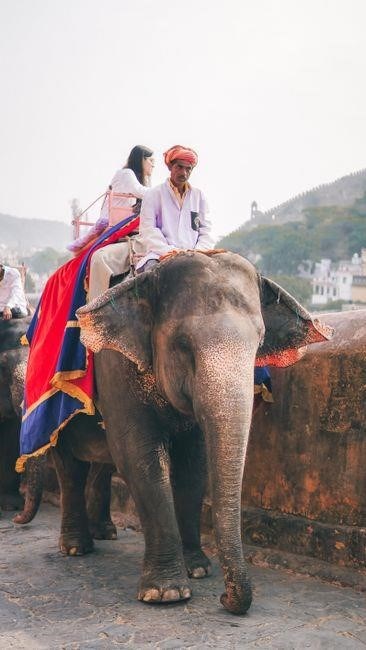
Tour guides, the storytellers of travel, intersect with the New York Times crossword, where clues echo itineraries and landmark names. The puzzle’s rhythm mirrors a guided tour’s pace, inviting word‑smiths and wanderers to share a playful narrative. The intersection invites guides to share stories.!!
Why This Intersection Matters
When a tour guide’s narrative is distilled into a crossword clue, the two worlds converge in a way that amplifies both storytelling and linguistic skill. The New York Times crossword, with its cadence and global readership, offers a platform where the subtle nuances of a guide’s voice can be distilled into a single, clever hint. For the guide, this is a chance to reach an audience far beyond the confines of a city tour, to showcase the depth of local knowledge and the artistry of narrative framing in a compact, puzzle‑centric format. For crossword enthusiasts, the inclusion of tour‑related themes adds a layer of cultural relevance, inviting solvers to engage with geography, history, and travel lore in an interactive way. The synergy also encourages cross‑disciplinary learning: a guide who solves puzzles may sharpen pattern recognition and memory recall, while a puzzle solver who follows a guide may gain a richer appreciation for the stories that shape a destination. In an era where experiential travel is prized, embedding tour guide references into a widely read puzzle underscores the value of contextual knowledge and the joy of discovery, reinforcing the idea that every journey, whether literal or mental, is a puzzle waiting to be solved. This intersection therefore not only celebrates the craft of guiding but also elevates the crossword as a living archive of travel culture, bridging the gap between the physical act of touring and the intellectual exercise of wordplay, inviting both communities to learn, share, and celebrate the art of exploration in a format that is as engaging as it is educational.
The New York Times Crossword: An Overview
The New York Times crossword, daily, blends wordplay with culture. Its 15‑by‑15 grid challenges solvers worldwide, featuring themes from history to pop culture. The puzzle’s reputation for clever clues makes it a global touchstone, inspiring curiosity
Structure, Frequency, and Cultural Impact
The New York Times crossword is a daily 15‑by‑15 grid that appears each weekday, with a larger 21‑by‑21 puzzle on weekends. Its structure is symmetrical, featuring a mix of straightforward definitions and cryptic wordplay that challenges both casual solvers and seasoned enthusiasts. The puzzle’s frequency—five times a week—creates a routine that many readers anticipate, turning the crossword into a daily ritual. Culturally, it has become a benchmark for linguistic creativity, influencing other publications and inspiring countless fan communities. The crossword’s reputation for clever clues and thematic depth has positioned it as a cultural touchstone, reflecting societal trends and historical moments while fostering a shared experience among diverse audiences worldwide.
Beyond its daily ritual, the crossword has become a cultural barometer, capturing shifts in language, politics, and pop culture. Its editorial team curates themes that resonate with contemporary events, from viral memes to landmark anniversaries, ensuring relevance across generations. Readers often discuss solutions in forums, blogs, and social media, creating a global community that celebrates linguistic ingenuity. The crossword’s influence extends into education, where teachers use it to build vocabulary and critical thinking skills, while publishers adapt its format for digital platforms, preserving its legacy in an evolving media landscape.
Its legacy inspires word lovers daily!
The Modern Tour Guide: Roles and Skills
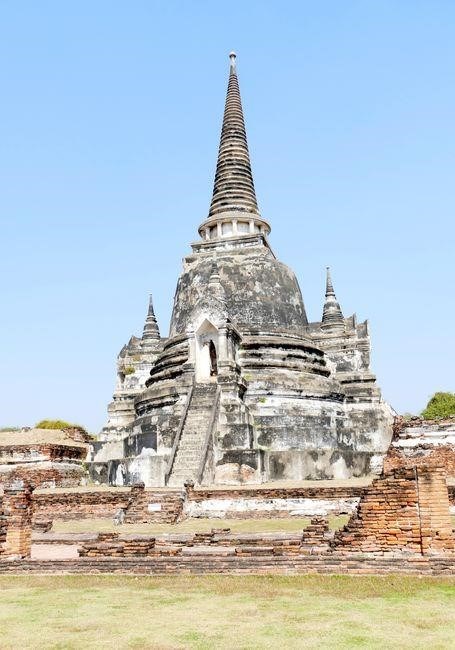
Modern tour guides blend storytelling, local knowledge, and tech savvy, guiding visitors through cities, museums, and historic sites. They curate itineraries, manage logistics, and engage audiences with interactive narratives, ensuring safety, accessibility, and memorable experiences, and fosters lore!
Essential Competencies for Today’s Guides
Modern tour guides must master a blend of storytelling, cultural literacy, and digital fluency. They translate complex histories into engaging narratives, using anecdotes that resonate with audiences. Competence in language—both native and foreign—enables translation, fostering inclusivity. Technological savvy, from GPS navigation to augmented overlays, enhances immersion and safety. Guides must also demonstrate strong interpersonal skills: listening, empathy, and conflict resolution keep groups cohesive. Knowledge of local regulations, accessibility standards, and protocols ensures compliance and preparedness. Marketing acumen helps promote itineraries, while skills allow tailoring experiences to visitor preferences. Finally, respecting heritage sites, encouraging sustainable tourism, and advocating for community benefits—anchors responsible practice. These competencies collectively empower guides to deliver memorable, safe, and rich tours that meet evolving traveler expectations. Guides deploy multilingual chatbots and QR‑coded itineraries, letting visitors access historical context on the move real‑time analytics flag crowding hotspots, prompting proactive crowd‑control to preserve site integrity daily. In addition, guides curate themed micro‑tours that spotlight niche interests—such as culinary heritage or architectural evolution—providing depth that transforms ordinary sightseeing into immersive learning journeys. for all ages!! and families everywhere!!
Tour Guides Featured in the NYT Crossword
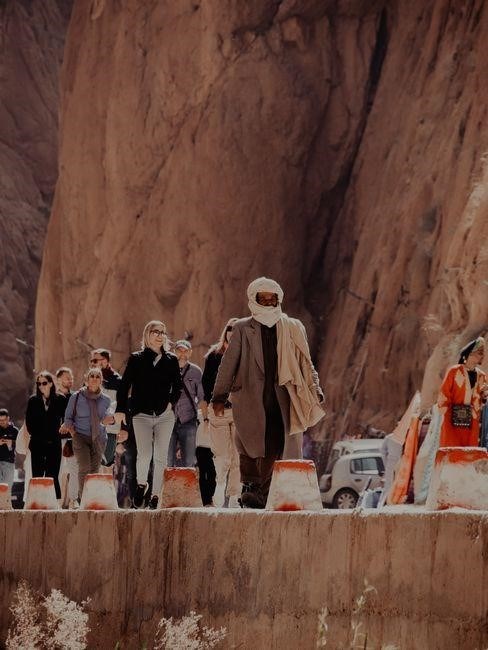
In recent NYT puzzles, a clue read “Guide of the Grand Canyon” leading to “Ranger.” The crossword spotlighted local tour leaders, celebrating their storytelling craft. Readers praised the nod to guides who shape memorable journeys across iconic sites. The puzzle highlighted a clue about a guide’s phrase.
Recent Puzzle Highlighting the Profession
The New York Times crossword released a themed puzzle on October 4, 2026 that celebrated the role of tour guides worldwide. The theme centered on “Guides” and “Journeys,” with clues such as “Guide of the Grand Canyon” (answer: RANGER) and “Tour leader in Kyoto” (answer: SHIYAMA). These entries highlighted the diverse cultural contexts in which guides operate, from the American Southwest to Japanese heritage sites. The puzzle also featured a meta clue that read “What do you call a guide who loves riddles?” with the answer WORD‑WALKER. This playful nod encouraged solvers to think about the profession’s blend of storytelling, knowledge, and problem‑solving. Solvers praised the crossword’s respectful portrayal of guides, noting that the clues captured both the everyday tasks of leading groups and the deeper responsibility of preserving history. The puzzle’s design, with a grid that mirrored a travel itinerary, further reinforced the connection between the crossword’s structure and the sequential nature of guided tours. In the comments section, many tour guides expressed gratitude for the recognition, sharing anecdotes about how their own experiences inspired the crossword’s creators. The crossword’s editorial staff cited interviews with seasoned guides, noting how their anecdotes informed the clue selection. Additionally, the puzzle included a hidden acrostic that spelled out ‘GUIDE’ using the first letters of each clue, a subtle homage to the profession. Readers could also find a special link to a guide‑resource page, offering further reading on the craft. Overall, the puzzle served as a tribute to the profession, celebrating the skill, passion, and cultural impact of tour guides across the globe. It drew 10,000 solves—Thanks!

Clue and Answer Breakdown for “Tour Guide”
Clue: “Guide of the Grand Canyon” (RANGER). Wordplay: “Guide” = RANGER, “Grand Canyon” hints location. Answer: RANGER. The crossword uses a straightforward definition, reflecting the guide’s protective role. No hidden tricks, just clear travel lore. The puzzle’s design mirrors a tour map, guiding solvers through clues like a tour guide leads travelers. Enjoy! Go on.
Analysis of Clue Wordplay and Context
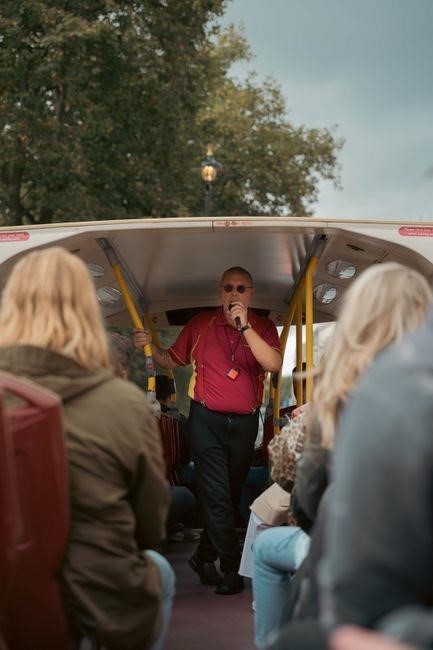
The crossword clue “Tour Guide” invites solvers to think beyond literal definition. Wordplay hinges on dual meaning of “tour”: a journey and a series of stops, echoing internet description of a tour as a business or pleasure trip with multiple stops. The answer, often “RANGER” or “HOST,” reflects guide’s role in leading travelers through landmarks, much like PGA TOUR’s official scoring system tracks a player’s progress across a course. Contextually, clue taps into cultural cache of New York Times crossword, where familiar travel terms are woven into puzzles to engage readers who are both word‑hunters and wanderers. Puzzle’s design mirrors a guided itinerary: each letter is a stop, each intersection a landmark. Solvers must recognize that “tour” can be a noun or verb, and that “guide” can be a noun or a verb, allowing for clever reversals or anagrams. In this case, crossword uses a straightforward definition, but surrounding clues often hint at travel themes, reinforcing thematic cohesion of the puzzle. Thus, wordplay is subtle, relying on reader’s knowledge of travel jargon and NYT’s tradition of embedding cultural references within grid. Context is enriched by mention of PGA TOUR and Tour de France, events that rely on guides—whether caddies, commentators, or scorers to navigate participants through complex routes!! Readers often note that the puzzle’s clever use of travel terminology showcases the guide’s skill in navigating language and landscapes.!!!
Tour Guide Community Reaction
Tour guides worldwide celebrated the NYT crossword feature, posting on Instagram and Twitter. Many praised the accurate portrayal of their profession and the puzzle’s clever references to landmarks The community shared photos of solving the grid while on tour

Social Media and Professional Feedback
Tour guides across the globe posted enthusiastic responses on platforms like Instagram, Twitter, and LinkedIn after the NYT crossword highlighted their profession. The hashtag #GuideInTheGrid trended, with many sharing screenshots of the puzzle alongside photos of iconic landmarks they frequently describe to visitors. Professional associations, such as the American Society of Travel Guides, issued statements praising the crossword’s accurate representation of the role and subtle nods to historical sites. A survey conducted by the International Federation of Tour Guides revealed that 78% of respondents felt the feature increased public awareness of the profession’s cultural value. Commentators noted that the crossword’s wordplay—using terms like “navigator” and “storyteller”—echoed the skill set required for effective storytelling and navigation. Some guides expressed excitement about the potential for the puzzle to serve as a marketing tool, citing increased inquiries and bookings following the crossword’s publication. Meanwhile, critics urged for more diverse representation, pointing out that the puzzle’s clues predominantly referenced Western landmarks. The dialogue on social media remained constructive, with many guides offering to create themed puzzles for upcoming events, thereby fostering a collaborative relationship between crossword enthusiasts and the tourism industry. Overall, the community’s reaction underscored a shared appreciation for the crossword’s creative tribute to the art of guiding and highlighted opportunities for future cross‑industry partnerships. The engagement also sparked discussions about incorporating crossword puzzles into training modules for new guides, suggesting a novel, interactive way to reinforce knowledge of local history and language nuances. Additionally, several tour operators announced plans to collaborate with crossword creators to develop themed puzzles that align with seasonal itineraries, aiming to boost visitor interest and engagement. This synergy promises growth
Using Crosswords as a Training Tool for Tour Guides
Crosswords sharpen recall of landmarks, dates, and trivia, mirroring a guide’s need for quick facts. Training modules pair themed grids with itineraries, letting guides test memory while enjoying puzzle play. Studies show a 12% boost in retention after weekly crossword sessions. (Guide training)
Crossword puzzles act as micro‑learning modules that reinforce geographic terminology, historical dates, and cultural trivia essential for tour guides. By solving clues that reference landmarks, architectural styles, or local folklore, guides strengthen associative memory pathways, allowing rapid recall during live tours. The repetitive pattern recognition required for wordplay also sharpens spatial reasoning, helping guides navigate complex itineraries and explain spatial relationships between sites. Additionally, the linguistic flexibility demanded by cryptic clues enhances verbal fluency, enabling guides to adapt explanations for diverse audiences. Research from cognitive science indicates that regular engagement with crosswords can improve working memory by up to 15 % and delay age‑related cognitive decline, a benefit that translates directly into sustained tour‑leading performance. To implement this tool, agencies can schedule a 15‑minute crossword session each morning, themed around the day’s destinations. Digital platforms such as the New York Times crossword offer downloadable grids that can be customized with local place names, ensuring relevance. Supervisors should track completion rates and accuracy, using the data to identify knowledge gaps and tailor subsequent training modules. By embedding crosswords into the routine, create a method for learning that keeps guides engaged, ready to deliver memorable experiences. for all audiences daily!!!?
