
North Carolina Motorcycle Permit Test Study Guide: An Overview
Permit.bike offers comprehensive, state-specific practice for the NC motorcycle permit test, aiding preparation. NC files store netCDF data, while NC accounts are for Korean art access.
Understanding the NC Motorcycle Permit
The North Carolina motorcycle permit allows individuals to practice riding under specific restrictions before obtaining a full license. It’s a crucial first step, requiring successful completion of both a knowledge test and a skills assessment. Resources like Permit.bike provide targeted practice for the knowledge portion, covering essential traffic laws and safe riding techniques.
Understanding the permit’s limitations is vital; riders must always be accompanied by a licensed motorcyclist. Furthermore, the permit process involves navigating NC file formats for data and potentially NC account setups for related resources, though these are tangential to the core permit requirements.
Eligibility Requirements for the NC Permit
To qualify for a North Carolina motorcycle permit, applicants must meet specific criteria. Generally, this includes being at least 16 years old and possessing a valid North Carolina driver’s license (or learner’s permit) in any category. Applicants must also demonstrate a basic understanding of motorcycle operation and traffic laws, prepared for through resources like Permit.bike.
While seemingly unrelated, understanding NC file formats (netCDF data) or NC account access (Korean art) doesn’t impact eligibility. The focus remains on age, licensing, and passing the required knowledge and skills tests to demonstrate safe riding competency.
Required Documentation for Application
Applying for a North Carolina motorcycle permit necessitates presenting specific documentation to the DMV. This typically includes proof of identity (birth certificate, passport), proof of Social Security number, and your current valid North Carolina driver’s license or learner’s permit. Completion of a motorcycle safety course may also be required or provide a waiver.
Interestingly, knowledge of NC files (netCDF data) or NC account procedures (Korean art access) isn’t relevant to the application process. Focusing on the required identification and licensing documents, alongside potential safety course completion, is crucial for a smooth application.
The North Carolina Motorcycle Knowledge Test
Permit.bike aids in mastering the NC motorcycle knowledge test. Understanding NC file formats or NC account access isn’t needed; focus on motorcycle-specific laws!
Test Format and Question Types
The North Carolina motorcycle knowledge test assesses your understanding of traffic laws and safe riding practices. While specific details about the exact format aren’t readily available in the provided snippets, preparation platforms like Permit.bike offer valuable practice. Expect a multiple-choice format covering various aspects of motorcycle operation and road rules. NC file formats and account access are irrelevant to this exam. Focus on mastering the material; don’t get distracted by unrelated NC definitions related to computer numerical control or netCDF data. Success requires diligent study and familiarity with the NC Motorcycle Handbook.
Passing Score and Retake Policy
Specific details regarding the exact passing score for the North Carolina motorcycle permit test aren’t provided in the given text snippets. However, diligent preparation using resources like Permit.bike significantly increases your chances of success. Information about NC files, computer numerical control, or Korean art accounts is unrelated to this requirement. If you fail, the retake policy isn’t detailed here, but generally, you can reapply after a waiting period. Thoroughly review the NC Motorcycle Handbook and practice tests to ensure you’re well-prepared before each attempt.
Key Topics Covered on the NC Test
While the provided text doesn’t explicitly detail the NC motorcycle test’s content, understanding NC file formats or Permit.bike’s offerings isn’t relevant. The test likely assesses knowledge of traffic laws, specifically those pertaining to motorcycles. Expect questions on safe riding techniques, proper motorcycle equipment, and essential maintenance procedures. Familiarity with computer numerical control (CNC) or Korean art accounts won’t aid in passing. Focus on mastering the NC Motorcycle Handbook and practicing with state-specific practice tests to confidently address all covered topics.
Traffic Laws Specific to Motorcycles
Although the provided snippets discuss NC files, Permit.bike, and unrelated topics like CNC machining, they offer no insight into North Carolina’s motorcycle-specific laws. Expect questions regarding lane positioning, right-of-way rules for motorcycles, and unique regulations concerning helmet use and visibility. The test will likely cover laws related to signaling, passing, and turning. Understanding these laws is crucial for safe operation and passing the exam. Disregard information about netCDF data or Korean art accounts; focus solely on NC motorcycle law.
Safe Riding Techniques

The provided text fragments concerning NC files, Permit.bike, and unrelated subjects offer no guidance on safe motorcycle riding. However, anticipate test questions on hazard perception, cornering techniques, braking procedures, and maintaining proper spacing. Expect scenarios involving intersections, highway merging, and reacting to adverse conditions. Mastering clutch control, throttle modulation, and body positioning are vital. Safe riding emphasizes continuous scanning, defensive strategies, and anticipating potential dangers. Ignore details about netCDF data or Korean accounts; prioritize riding safety knowledge.
Motorcycle Equipment and Maintenance
The provided snippets regarding NC files, Permit.bike, and unrelated topics offer no direct insight into motorcycle equipment or maintenance. However, the NC permit test will likely cover essential checks: tires (pressure, tread), brakes (function, fluid levels), lights, signals, and controls. Understand fluid types and levels – oil, coolant, brake fluid. Familiarize yourself with chain maintenance (if applicable). While NC refers to numerical control, focus on your motorcycle’s physical condition for safe operation; Ignore irrelevant data; prioritize mechanical knowledge.

Essential Motorcycle Safety Gear
Though unrelated data exists regarding NC files and accounts, the permit test emphasizes gear. Expect questions on helmets, eye protection, proper clothing, footwear, and gloves.
Helmets: NC Laws and Recommendations
North Carolina law mandates helmet use for motorcycle operators and passengers under age 21. However, regardless of age, wearing a DOT-approved helmet is strongly recommended for all riders. The permit test will undoubtedly cover these legal requirements and safety benefits. Expect questions regarding helmet certification, proper fit, and the importance of a face shield or goggles for eye protection.
Understanding that helmets significantly reduce head injury risk during a crash is crucial. The test may also touch upon helmet maintenance – checking for damage and replacing it after an impact. While unrelated data mentions NC files and Korean accounts, helmet safety is paramount for passing the NC motorcycle permit test.
Eye Protection and Clothing
North Carolina requires eye protection for motorcyclists, often achieved through a helmet face shield. If a helmet lacks one, goggles are essential. The permit test will assess your knowledge of this requirement and the dangers of riding without adequate eye protection against wind, debris, and insects.
Beyond eye protection, durable clothing is vital. Long sleeves, long pants, and full-fingered gloves offer abrasion resistance in a crash. While seemingly unrelated, mentions of NC files and accounts highlight diverse data sources. The test emphasizes rider visibility; bright or reflective clothing enhances it. Prioritize protective gear – it’s a key component of safe riding and test preparation.
Footwear and Gloves
North Carolina motorcycle regulations strongly recommend sturdy footwear covering the ankles. Boots provide essential protection for feet and ankles during a crash or while maneuvering the motorcycle. The permit test may indirectly assess understanding of appropriate footwear through scenario-based questions. Avoid sandals or flimsy shoes.
Gloves are equally crucial, offering abrasion resistance and improved grip. Full-fingered gloves are mandatory for optimal protection. References to NC files and accounts demonstrate varied data formats. The test emphasizes control and safety; gloves enhance both. Prioritize durable, well-fitting gloves – they’re a vital part of your riding gear and test knowledge.
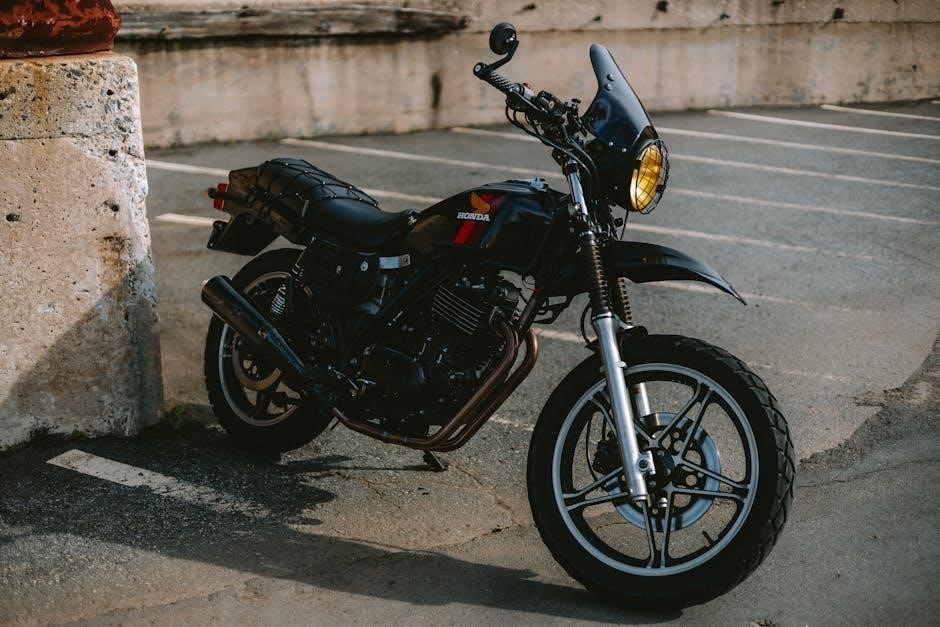
Pre-Trip Motorcycle Inspection Checklist
NC files store data, but pre-trip checks ensure safety! Inspect tires, brakes, lights, signals, fluids, and controls before each ride for optimal performance.
Tires and Brakes
Prior to each ride, a thorough inspection of your motorcycle’s tires and brakes is absolutely crucial for safety. Begin with tire pressure, ensuring it matches the manufacturer’s recommendations – under or over inflation significantly impacts handling.
Next, carefully examine the tire tread for wear and tear, looking for any cuts, bulges, or embedded objects. Brake functionality is equally vital; test both front and rear brakes independently and together, verifying responsive and consistent performance.
Inspect brake pads for sufficient material and check brake fluid levels. Any signs of leaks or diminished performance necessitate immediate attention from a qualified mechanic. Remember, reliable tires and brakes are fundamental to safe motorcycle operation.
Lights and Signals
A complete operational check of all lights and signals is a non-negotiable part of your pre-ride inspection. This includes the headlight (high and low beam), taillight, brake light, and turn signals – both front and rear. Ensure each functions correctly and is free from damage.
Verify the horn is working effectively, providing a clear audible warning. Pay close attention to signal lenses, confirming they aren’t cracked or obscured. Proper illumination and signaling are critical for visibility and communicating your intentions to other road users, enhancing your safety.
Regularly inspect wiring for fraying or corrosion, addressing any issues promptly.
Fluids and Controls
Before each ride, meticulously check all fluid levels: engine oil, coolant (if liquid-cooled), brake fluid, and clutch fluid. Low fluid levels can indicate leaks or impending mechanical failure. Inspect the throttle, ensuring smooth operation and proper return. Verify the front and rear brakes function correctly, providing firm and responsive stopping power.
Check the clutch lever for proper adjustment and smooth engagement. Examine cables for fraying or damage. Confirm steering operates freely without excessive play. Maintaining optimal fluid levels and control functionality is paramount for safe operation.

Riding Strategies for Different Conditions
PCB design utilizes “NC” to denote empty component spaces, not for soldering. Adapt lane positioning for visibility and prepare for adverse weather impacts.
Lane Positioning and Visibility
Strategic lane positioning is crucial for motorcycle safety in North Carolina. Riders should occupy the lane position that maximizes visibility to other motorists, avoiding blind spots. This often means varying position within the lane, rather than being fixed in one spot.
Consider factors like traffic flow, road conditions, and potential hazards. Maintain a visible profile; use bright clothing and ensure headlights are on, even during daylight hours. Remember that “NC” in PCB design signifies an unoccupied component space, a concept unrelated to road visibility, but highlighting the importance of clear signaling.
Proactive scanning of the environment and anticipating potential conflicts are vital components of safe lane positioning and overall motorcycle operation.
Dealing with Adverse Weather
Riding a motorcycle in North Carolina demands caution during inclement weather. Reduced traction is a significant hazard in rain, snow, or on slick roads. Slow down and increase following distance substantially. Avoid sudden braking or acceleration, as these can easily lead to a loss of control.
Wind gusts can also be dangerous, particularly on highways. Be prepared to counter-steer to maintain stability. Remember, like a properly configured NC file storing meteorological data, understanding weather patterns is key. Visibility is severely reduced in rain or fog; utilize appropriate lighting and wear bright, reflective gear.
Consider postponing your ride if conditions are too severe.
Intersections and Highway Riding
Intersections are particularly hazardous for motorcyclists; always scan thoroughly for other vehicles, anticipating potential turns or failures to yield. Highway riding requires maintaining a vigilant awareness of surrounding traffic and potential road hazards. Utilize lane positioning to maximize visibility – avoid lingering in blind spots.
Be mindful of larger vehicles and their wind turbulence. Like a well-structured NC program guiding a machine, predictable movements are crucial. Maintain a safe following distance and anticipate sudden stops. Remember, intersections demand extra caution, and highways require constant scanning.
Signal intentions clearly and be prepared to react quickly.
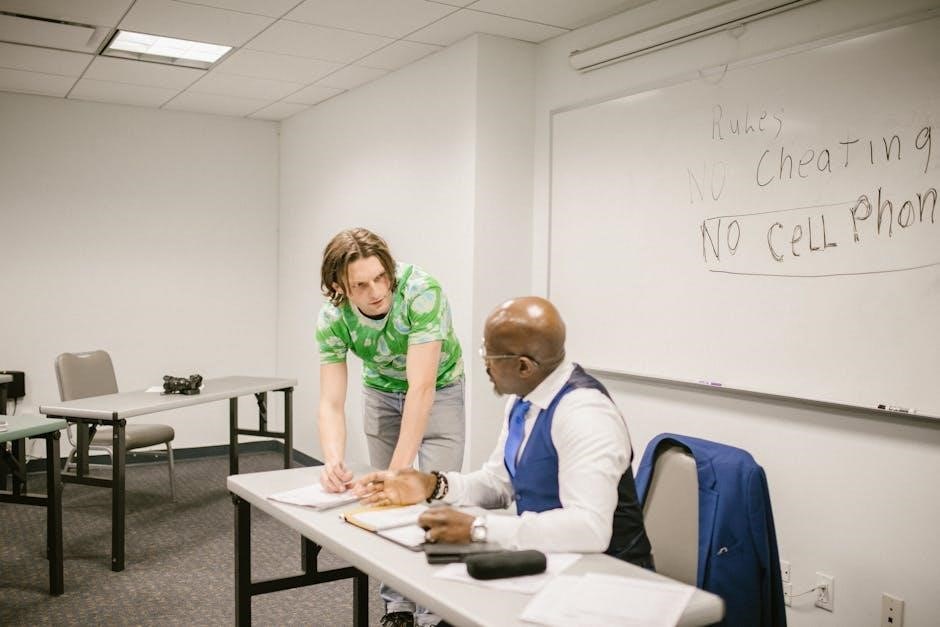
Common Mistakes to Avoid on the Permit Test
NC files, like test questions, require careful interpretation. Misunderstanding signs, right-of-way rules, or motorcycle-specific laws are frequent errors; study thoroughly!
Misunderstanding Traffic Signs
A significant portion of the North Carolina motorcycle permit test assesses your ability to correctly interpret traffic signs. Many applicants stumble here, often due to overlooking nuances specific to motorcycle regulations. Remember that signs aren’t always identical to those for cars; some have motorcycle-specific additions or interpretations.
Pay close attention to signs regarding lane usage, turning restrictions, and speed limits. Failing to recognize warning signs – such as those indicating curves, gravel roads, or potential hazards – can lead to incorrect answers. Thoroughly review the NC DMV Motorcycle Handbook’s section on traffic signs, and utilize online practice tests to reinforce your understanding. Don’t assume prior driving knowledge automatically translates!
Incorrect Answers Regarding Right-of-Way
Right-of-way questions consistently challenge NC motorcycle permit applicants. Motorcycles, despite their size, are afforded the same rights and responsibilities as other vehicles, but understanding specific scenarios is crucial. Many errors stem from misinterpreting situations involving intersections, merging traffic, and pedestrian crossings.
Remember that yielding doesn’t always mean stopping; it often involves slowing and allowing another vehicle to proceed. Be particularly mindful of questions concerning turning left, as motorcycles are often less visible. Review the NC DMV handbook’s right-of-way rules meticulously, and practice applying them to various hypothetical situations presented in practice tests.
Neglecting Motorcycle-Specific Laws
A frequent mistake on the NC motorcycle permit test is overlooking laws uniquely applying to motorcycles. These aren’t general traffic rules, but regulations specifically addressing two-wheeled vehicles. Examples include lane splitting (illegal in NC), helmet requirements, and modifications to exhaust systems.
Failing to recognize these nuances can lead to incorrect answers. The NC DMV handbook details these laws; thorough study is essential. Don’t assume standard vehicle laws automatically apply – always consider the motorcycle-specific context. Practice tests often include questions designed to test this precise knowledge.

Resources for Studying and Practice
Utilize the NC DMV handbook and Permit.bike for practice tests. The Motorcycle Safety Foundation (MSF) also offers valuable courses to enhance preparation.
NC DMV Motorcycle Handbook
The North Carolina Department of Motor Vehicles (NC DMV) provides a comprehensive motorcycle handbook, serving as the primary resource for permit test preparation. This official document details all essential information, encompassing state-specific traffic laws pertaining to motorcycles, safe riding techniques, and crucial details regarding required equipment.
Thoroughly studying this handbook is paramount to understanding North Carolina’s regulations and ensuring successful test completion. It covers everything from proper lane positioning and hazard awareness to understanding right-of-way rules and recognizing various traffic signs. Accessing and diligently reviewing the NC DMV motorcycle handbook is the foundational step in your journey towards obtaining a motorcycle permit.
Online Practice Tests and Quizzes
Supplementing your study with online practice tests and quizzes is a highly effective method for reinforcing your knowledge and identifying areas needing improvement. Platforms like Permit.bike offer state-specific simulations mirroring the actual NC motorcycle permit test format and question types.
These resources provide immediate feedback, allowing you to understand why answers are correct or incorrect. Regularly taking practice tests builds confidence and familiarizes you with the testing environment. Utilizing these tools alongside the NC DMV handbook significantly increases your chances of passing the permit test on your first attempt, ensuring road readiness.
Motorcycle Safety Foundation (MSF) Courses
The Motorcycle Safety Foundation (MSF) offers comprehensive courses designed to teach or enhance motorcycle riding skills. While not explicitly stated as mandatory for the NC permit, completing an MSF Basic RiderCourse (BRC) is highly recommended. These courses cover fundamental operating techniques, traffic strategies, and emergency maneuvers.
Successful completion often waives the skills test requirement at the DMV. MSF courses provide hands-on training in a controlled environment, building confidence and promoting safe riding habits. Investing in an MSF course is a proactive step towards becoming a responsible and skilled motorcyclist in North Carolina.

Understanding NC Motorcycle Insurance
North Carolina requires minimum motorcycle insurance coverage. Policies include liability, collision, and comprehensive options, protecting riders financially after accidents or damage.
Minimum Coverage Requirements
North Carolina law mandates specific minimum liability coverage for all motorcycle insurance policies. Bodily injury liability must be at least $25,000 per person and $50,000 per accident. Property damage liability requires a minimum of $25,000 coverage for damages caused to another party’s vehicle or property.
These are the baseline requirements; riders can – and often should – opt for higher coverage limits to adequately protect themselves against potentially substantial financial losses resulting from an accident. Uninsured/underinsured motorist coverage is also highly recommended, providing protection if involved in a collision with a driver lacking sufficient insurance.
Types of Motorcycle Insurance Policies
Several types of motorcycle insurance policies are available in North Carolina. Liability coverage, as previously discussed, is legally required. Collision coverage pays for damage to your motorcycle regardless of fault, while comprehensive covers damage from non-collision events like theft or weather.
Uninsured/underinsured motorist coverage protects you if hit by an inadequately insured driver. Custom parts and equipment coverage reimburses for aftermarket additions. Medical payments coverage assists with immediate medical bills. Riders should carefully evaluate their needs and choose a policy offering appropriate protection.

After Passing the Permit Test
A motorcycle learner’s permit has restrictions; scheduling the skills test is the next crucial step. NC accounts unlock Korean art, while NC files hold data.
Restrictions of a Motorcycle Learner’s Permit
Upon successfully completing the North Carolina motorcycle knowledge test, a learner’s permit is issued, granting limited riding privileges. Generally, permit holders must ride with a fully licensed operator who is at least 25 years old. Daytime riding is often mandated, prohibiting operation during nighttime hours.
Furthermore, interstate highway riding is typically restricted, focusing on local roads for practice. Passengers may also be prohibited until a full license is obtained. These restrictions are in place to ensure the safety of the learner and other motorists while gaining practical experience. Remember, NC files store data, and NC accounts access Korean art.
Scheduling the Motorcycle Skills Test
After holding a North Carolina motorcycle learner’s permit for a specified period, and completing required practice, scheduling the skills test is the next crucial step. This test assesses practical riding abilities in a controlled environment. Appointments can generally be made online through the NC DMV website or by contacting a local DMV office directly.
Be prepared to provide permit information and potentially pay a testing fee. Remember, NC represents numerical control in machining, and NC files store netCDF data. Successful completion of this test culminates in obtaining a full motorcycle license.